
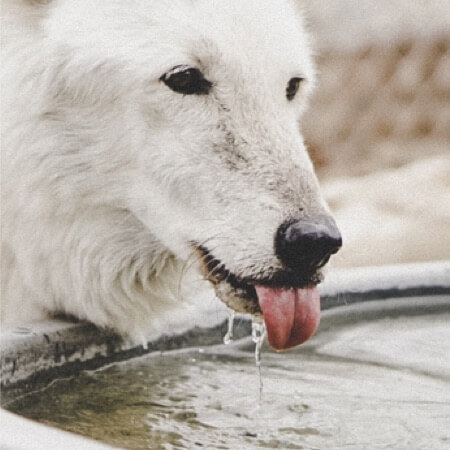

We all know how important water is for our health, but did you know that hydration is just as crucial for your pet? Whether you have a dog, cat, or other animals, staying hydrated supports their overall health, energy levels, and proper organ function. However, some pets just aren’t as enthusiastic about drinking water as others, which can lead to dehydration and other health issues.
If your pet isn’t drinking enough water, don’t worry—there are several strategies you can use to encourage them to stay hydrated. Here are some tried-and-true tips to help your pet drink more water and keep them healthy and happy.
Some pets are finicky when it comes to drinking from a bowl. If your pet seems uninterested in their regular water dish, a pet water fountain might do the trick. The moving water attracts many pets, especially cats, who are often more inclined to drink from running water rather than stagnant water.
Water fountains also help keep the water fresh and oxygenated, which can make it taste more appealing. Plus, they are easy to clean, and many models come with filters that remove debris and impurities, making the water cleaner and tastier.
Pro Tip: Place the fountain in a quiet, easily accessible area where your pet feels comfortable, and monitor them as they get used to the new setup.
If your pet finds plain water boring, try jazzing it up with some flavor. Adding a small amount of low-sodium broth or flavored water (like tuna juice for cats or chicken broth for dogs) can make drinking water more appealing. Just be sure to avoid anything with added salt, sugar, or artificial ingredients, as these can be harmful to your pet.
For cats, you can also try offering water from a different source, like a shallow dish or a spoon, to make it more exciting and novel. The change in routine might encourage them to drink more.
Pro Tip: Always ensure that any added flavors are safe for pets and use only a small amount so they’re not consuming too many extra calories or salt.
If your pet isn’t drinking enough water, incorporating wet food into their diet can provide an extra boost of hydration. Wet food, whether canned or homemade, has a higher water content than dry kibble, which can help keep your pet hydrated.
For dogs, you can mix wet food with their dry food to increase water intake. For cats, many cats prefer the taste and texture of wet food, and it’s often a great way to get them to drink more without even realizing it. Just be mindful of their overall nutrition needs, and consult your vet if you’re changing their diet significantly.
Pro Tip: If your pet is already on a wet food diet, consider offering water alongside their meals in a separate bowl to encourage them to drink more.
Pets are more likely to drink water if it’s clean and fresh. Make sure you’re changing your pet’s water daily, and wash their bowl regularly to prevent any buildup of bacteria or residue. Some pets are more sensitive to odors, so keeping the water clean and free from food particles can make it more appealing.
For cats, make sure their water bowl is in a quiet and comfortable location, as some cats prefer privacy when drinking. If the water bowl is near their food dish, they might feel like it’s not as inviting, so consider separating the two.
Pro Tip: Use a stainless steel or ceramic bowl instead of plastic, as plastic can develop odors over time that may deter your pet from drinking.
If your pet tends to be a picky drinker, offering multiple water stations around the house can help. Some pets, especially cats, can be quite particular about where they drink, so having several water bowls placed in different areas may encourage them to drink more throughout the day.
For dogs, having water bowls in both the living room and the kitchen can be convenient for both you and your pet, especially if your pet is active and likes to roam around the house.
Pro Tip: Make sure the water bowls are easily accessible and placed in quiet, low-traffic areas to encourage your pet to drink when they need it.
You can also boost your pet’s water intake by incorporating water into their favorite treats. For example, you can freeze water or low-sodium broth into ice cubes or popsicles for a fun and refreshing treat that helps with hydration. Some pets, especially in the summer, enjoy chilled treats, and this can also be a great way to cool them down.
You can also mix water into dry kibble or snacks, making them softer and easier to chew while giving your pet an extra dose of hydration.
Pro Tip: Be sure to offer treats in moderation and keep the portions appropriate for your pet’s size and dietary needs.
It’s essential to keep track of how much your pet is drinking—and, equally important, how much they are urinating. If you notice that your pet isn’t drinking enough water, but they’re also urinating less or their urine is dark and concentrated, it’s a sign they may be dehydrated. This is especially important for pets with health conditions, such as kidney disease, that can make them more susceptible to dehydration.
If your pet is showing signs of dehydration, such as lethargy, dry gums, or sunken eyes, it’s important to consult your veterinarian as soon as possible. They may recommend fluids, changes to their diet, or additional treatments to help them stay hydrated.
Pro Tip: If your pet is a senior or has a medical condition, be sure to discuss hydration strategies with your vet to create a plan that’s tailored to their needs.
For some pets, particularly cats, it can be difficult to track how much water they’re drinking. Consider investing in a pet hydration monitor that attaches to their water bowl. These monitors track water intake over time, helping you stay on top of your pet’s hydration levels. Many monitors sync with apps on your phone, so you can easily track your pet’s habits and make adjustments as needed.
Proper hydration is a key part of keeping your pet healthy, and making sure they drink enough water is one of the easiest ways to support their well-being. By offering fresh water, mixing in wet food, adding some flavor, and providing other creative ways to increase their water intake, you can help your pet stay hydrated and thrive.
If you’re concerned about your pet’s hydration or if they’re not drinking enough, don’t hesitate to consult your veterinarian for guidance. In the meantime, these tips can help make water more appealing and encourage your pet to drink more—keeping them happy, healthy, and hydrated!