
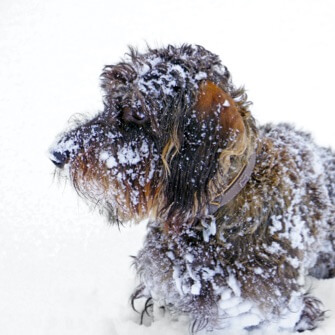
As the winter chill sets in, we bundle ourselves up in coats, scarves, and boots to keep warm. But what about our pets? While our furry friends are equipped with natural coats to protect them from the cold, their paws are often vulnerable to winter hazards. Snow, ice, road salt, and freezing temperatures can be harsh on your pet’s paws, leading to dryness, cracks, or even injury. Fortunately, there are several ways you can protect your pet’s paws from the cold to ensure they stay safe and comfortable all season long.
One of the most effective ways to protect your pet’s paws from the cold is to invest in a good pair of dog boots or paw protectors. These boots provide a barrier between your pet’s paws and the cold, icy ground, keeping their feet warm and preventing injury from sharp ice or salt. Look for boots that are water-resistant, non-slip, and insulated to ensure maximum comfort and protection.
Tip: Not all pets will be excited to wear boots right away, but with a bit of patience and training, they’ll get used to them. Start by introducing the boots indoors and let your pet walk around to get comfortable with the feeling. Gradually increase the time they wear them, and soon they’ll be trotting around with confidence.
Paw balm or wax is a great alternative (or complement) to boots. These protective balms create a barrier on your pet’s paw pads, helping to shield them from ice, salt, and harsh winter elements. Paw balms are designed to be safe for pets, and they help keep the paw pads moisturized and smooth, preventing cracking and irritation.
Apply the balm before going outside, and reapply as necessary, especially after walks or outdoor playtime. Be sure to check the ingredients to ensure they are pet-safe and non-toxic.
Tip: Make sure to wipe your pet’s paws clean of any excess balm after walks to avoid them licking it off and ingesting it.
Salt and chemicals used to melt ice can be harmful to your pet’s paws if left on too long. After every walk, especially during winter months, be sure to clean your pet’s paws thoroughly. Use a damp cloth or a gentle pet-safe wipe to remove any salt, ice, or debris that may have accumulated.
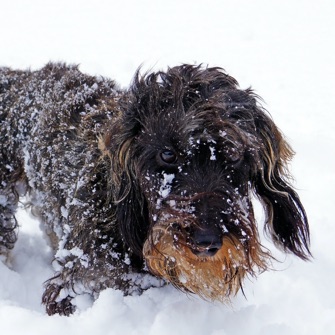
If your pet’s paws have been exposed to snow or ice, check for any ice balls that may have formed between their toes. These can be uncomfortable and even painful if left untreated. Gently remove them to prevent damage to the paw pads.
Tip: If you notice that your pet’s paws are irritated or cracked from the salt, try using a soothing paw balm to help heal the skin and prevent further discomfort.
Long hair around your pet’s paws can trap snow and ice, creating uncomfortable clumps of frozen debris. This can be particularly problematic for breeds with long fur, such as poodles, sheepdogs, or collies. Regularly trimming the fur around your pet’s paws helps prevent snow buildup and makes it easier to keep their paws clean and dry during winter walks.
Tip: Be gentle when trimming around your pet’s paws, and if you’re unsure, consider taking your pet to a groomer who is experienced in paw care.
While dogs need exercise year-round, it’s important to be mindful of the temperature during winter months. Prolonged exposure to freezing temperatures can be hard on your pet’s paws, especially if there’s snow or ice on the ground. If it’s particularly cold or windy, consider shortening walks or opting for indoor playtime to give your pet some exercise while avoiding unnecessary exposure to the harsh conditions.
When you do take your pet outside, try to stick to well-cleared sidewalks and avoid walking on icy, salt-covered streets when possible.
Tip: Check the temperature before heading outside. If the air feels too cold for you, it’s likely too cold for your pet as well.
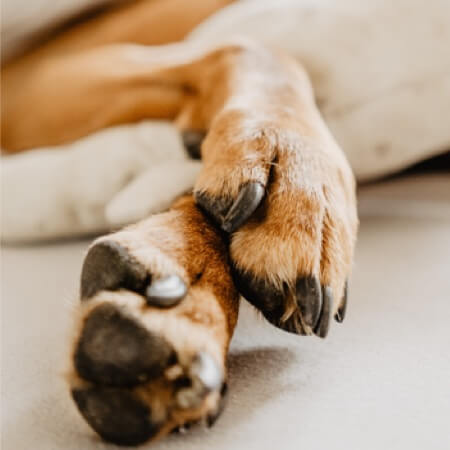
Just like human skin, your pet’s paw pads can become dry and cracked during the winter months. Cold, dry air can strip moisture from their paws, leaving them vulnerable to discomfort and injury. Be sure to keep your pet’s paw pads moisturized using a safe, pet-friendly moisturizer or balm.
Additionally, keeping your pet hydrated is important during the winter months. Dehydration can lead to dry skin and paw pads, so ensure your pet has access to fresh water at all times.
Tip: Consider applying a thick layer of paw balm before bedtime to allow it to fully absorb and work overnight.
Even with all the precautions in place, winter can still be tough on your pet’s paws. After outdoor time, always check your pet’s paws for any signs of injury, irritation, or frostbite. Look for redness, swelling, cuts, or cracks. Frostbite can occur in extreme cold and can cause tissue damage, so it’s important to act quickly if you notice any issues.
If you see signs of infection, excessive dryness, or if your pet seems to be in pain when walking, consult your veterinarian immediately. They can offer additional advice or treatment to help your pet’s paws recover.
Tip: Pets with shorter or less dense fur are especially prone to frostbite, so always err on the side of caution in extreme cold.
When your pet comes in from the cold, make sure they have a warm and comfortable place to rest. If your pet has been outside in the snow or on cold surfaces, their paws may be chilly, so offering a soft, warm spot indoors will help them warm up and relax.
Tip: You might want to keep a towel near the door to wipe off any wet paws as soon as they come inside to prevent them from tracking water or salt throughout the house.
Winter weather can be hard on your pet’s paws, but with a little preparation, you can protect them from the cold and ensure they’re safe, comfortable, and healthy all season long. Whether you choose to invest in boots, apply paw balm, or take extra care in monitoring outdoor time, your pet’s paws will thank you for it. By following these simple tips and paying attention to your pet’s comfort, you can enjoy the winter months with your furry friend—without the worry of cold, cracked paws.
Happy winter walks!