As pet owners, we want our furry friends to live long, happy, and healthy lives. While we often focus on their mental stimulation, playtime, and affection, it’s equally important to ensure that their bodies are well taken care of. From maintaining a healthy diet to ensuring proper exercise and regular veterinary visits, the care you provide directly impacts your pet’s well-being and longevity. Here’s how you can take care of your pet’s body and help them thrive!
1. Feed a Balanced Diet
Proper nutrition is the foundation of good health. Just like humans, pets need a balanced diet to fuel their bodies and maintain optimal function. A healthy diet helps with everything from maintaining energy levels to promoting a shiny coat and strong bones.
Key Tips:
- Choose quality food: Ensure that your pet’s food is formulated for their specific age, breed, and health requirements. Consult with your vet for recommendations on food types and brands.
- Portion control: Overfeeding can lead to obesity, which increases the risk of various health problems. Follow the recommended portion sizes on the food label, and if you’re unsure, ask your vet for guidance.
- Fresh water: Always provide access to clean, fresh water to keep your pet hydrated and promote good kidney and urinary health.
- Treats in moderation: While it’s fun to spoil your pet with treats, use them sparingly to avoid unnecessary weight gain.
2. Provide Regular Exercise
Exercise is essential for your pet’s physical health. Whether you have a dog that loves to fetch or a cat who enjoys a good play session, regular movement is necessary for maintaining muscle tone, cardiovascular health, and weight management.
Key Tips:
- Dog exercise: Aim for daily walks, play sessions, or runs to keep your dog’s energy levels in check. The amount of exercise will vary depending on the breed and age, but most dogs benefit from at least 30 minutes of activity every day.
- Cat exercise: If you have an indoor cat, provide plenty of interactive toys (like feather wands or laser pointers) to keep them active and engaged. You can also set up climbing structures or scratching posts to encourage movement.
- Adjust for age or health conditions: Senior pets or those with health problems may need a modified exercise routine. Always consult with your vet before starting a new exercise program, especially if your pet has a pre-existing condition.
3. Maintain Healthy Weight
Obesity is a significant issue in pets, and it’s linked to a wide range of health problems, including diabetes, heart disease, joint issues, and even a shorter lifespan. Maintaining a healthy weight is essential for preventing these risks.
Key Tips:
- Monitor food intake: Keep an eye on how much food your pet is consuming and adjust portions as needed to maintain an ideal weight. Your vet can help determine your pet’s target weight and how to achieve it.
- Track activity levels: Ensure your pet is getting enough physical activity to burn off calories. If they’re not as active, you may need to reduce their caloric intake.
- Regular weight checks: Weigh your pet regularly to keep track of their progress and ensure they stay on target. Your vet can help assess your pet’s body condition score (BCS) during visits.
4. Regular Grooming
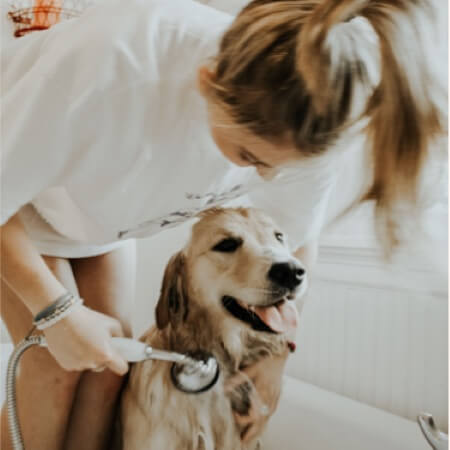
Grooming isn’t just about keeping your pet looking cute—it’s an essential part of maintaining their physical health. Regular grooming helps with circulation, reduces shedding, and prevents skin infections. It also provides an opportunity to check for signs of health problems, such as unusual lumps, bumps, or skin irritations.
Key Tips:
- Brushing: Regular brushing is essential for most pets. It removes loose fur, prevents matting, and promotes healthy skin by distributing natural oils. The frequency of brushing depends on your pet’s coat type—short-haired pets may need a brushing session once a week, while long-haired pets should be brushed daily.
- Nail trimming: Overgrown nails can be painful and lead to joint issues. Trim your pet’s nails regularly, or ask your vet or groomer to handle it if you’re unsure.
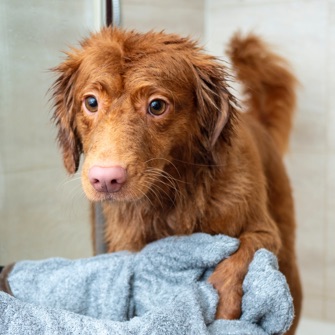
- Bathing: Bathe your pet only when necessary. Too much bathing can strip natural oils from the skin, leading to dryness or irritation. Choose a pet-safe shampoo and avoid human products, which can be too harsh.
5. Veterinary Checkups
Routine veterinary visits are a vital part of your pet’s health. Regular checkups allow your vet to monitor your pet’s health, detect any potential problems early, and provide necessary vaccinations or preventive treatments.
Key Tips:
- Annual exams: Most pets should see the vet at least once a year for a checkup. Older pets or those with health issues may require more frequent visits.
- Vaccinations: Keep your pet’s vaccinations up to date to protect them from common diseases.
- Parasite prevention: Regular deworming, flea, and tick prevention are essential for keeping your pet free from parasites. Your vet can recommend appropriate treatments based on your pet’s lifestyle.
6. Dental Care
Just like humans, pets need proper dental care to maintain their overall health. Dental issues in pets can lead to pain, difficulty eating, and even more serious health problems, such as infections that spread to internal organs.
Key Tips:
- Brushing teeth: If your pet tolerates it, brush their teeth regularly with a pet-safe toothbrush and toothpaste. Aim for at least 2-3 times a week.
- Dental chews and toys: Provide your pet with dental chews or toys that help remove plaque and tartar.
- Professional cleanings: Have your vet perform professional dental cleanings as needed to keep your pet’s teeth in tip-top shape.
7. Mental and Emotional Health
A healthy body isn’t just about physical care—it’s also about emotional well-being. Ensuring your pet feels mentally stimulated and emotionally content is just as important for their overall health.
Key Tips:
- Interactive play: Provide your pet with a variety of toys to stimulate their minds and keep them entertained. Puzzle toys, treat dispensers, and interactive games are great for mental stimulation.
- Socialization: Dogs, in particular, benefit from regular socialization with other pets and people. Take them to the park, arrange playdates, or involve them in training classes to keep them well-rounded.
- Affection: Spend quality time bonding with your pet. Petting, cuddling, and attention all contribute to your pet’s emotional health.
Conclusion
Taking care of your pet’s body is an ongoing responsibility that requires attention to their diet, exercise, grooming, and overall wellness. By providing proper nutrition, exercise, and regular veterinary care, you’re helping to ensure that your pet lives a long, happy, and healthy life. With a little effort and care, you can give your pet the best quality of life possible, and they’ll be there to return the love you give them every day.